The Value of Arborists: Comprehensive Services for Peak Tree Health and Security.
Arborists serve a crucial function in upholding the well-being and security of trees. The knowledge they possess covers aspects such as tree biology, pest control, and structural integrity. Consistent upkeep is necessary for mitigating risks and encouraging development. Nonetheless, many property owners miss the indicators of tree distress that could cause major problems. Understanding what arborists offer can greatly impact the longevity and beauty of landscapes. What are the key services they provide?
Knowing the Purpose of Arborists

Although many people appreciate the beauty of trees, not many realize the vital function that arborists play in ensuring their well-being. Arborists are specialized professionals trained in the science and art of tree care. They possess a deep understanding of tree biology, ecology, and the various factors that affect tree growth and stability. Tree specialists evaluate trees for signs of disease, pest infestations, and weak points in the structure, making certain trees flourish in their environments. Arborists further the cause of the ecological benefits of trees, such as carbon sequestration and wildlife habitat, pointing out their necessity in city development and environmental conservation. By using proven techniques in tree care, arborists help improve the total well-being of urban forests and landscapes. Their skill is necessary in teaching others about careful tree ownership, encouraging deeper admiration for trees and the core function they play in the ecosystem.
Main Offerings Available by Arborists
Tree specialists provide a diverse selection of crucial offerings that contribute to the health and safety of trees. An important service is tree pruning, which requires cutting away dead or diseased branches to encourage development and mitigate risks. Arborists also conduct tree assessments, evaluating the condition and structural integrity of trees, pinpointing possible dangers, and suggesting necessary steps. In addition, they offer tree installation, guaranteeing trees are located in ideal areas with ideal soil conditions to thrive
An important service is managing pests and diseases, in which tree experts identify problems and implement treatment plans to keep the trees safe (Florence Arborist). Moreover, many arborists handle tree felling when necessary, safely dismantling hazardous trees to reduce dangers to property and people. Finally, they offer consulting, teaching clients on tree maintenance and care methods that encourage sound development. Collectively, these services are crucial for upkeeping rural and urban settings
The Benefits of Routine Tree Upkeep
Routine upkeep offers numerous benefits that enhance both the health of the trees and the safety of the surrounding environment. By providing steady maintenance, such as pruning and thinning, trees can develop more strongly, facilitating improved light penetration and circulation of air. This promotes sound structural growth and reduces the risk of disease and pest infestations. Additionally, regular maintenance helps to remove dead or hazardous branches, decreasing the likelihood of property damage or personal injury during high winds or storms.
In addition, well-maintained trees add positively to the landscapes' aesthetic value, boosting property worth. They also support biodiversity by creating homes for a variety of species. Engaging professional arborists guarantees that maintenance practices are carried out accurately, drawing on their skill to assess tree health and administer the right treatments. Taken together, regular maintenance fosters a safer environment while enhancing the longevity and vigor of trees, aiding the community and the ecosystem.
Recognizing Symptoms of Tree Stress
How can one identify when a tree is in distress? Recognizing signs of tree distress is crucial for maintaining tree health and safety. Important signs involve yellowing or wilting foliage, which may indicate a lack of water or a shortage of nutrients. Additionally, a high volume of dropped leaves can indicate distress, especially in the growing months. Different bark textures, such as cracking or peeling, often point to hidden issues, including the presence of pests or disease. An excessive number of dead branches, particularly if they are present everywhere, indicates a loss of vigor. Moreover, roots that are not secure, evidenced by leaning or exposed roots, puts at risk a tree’s overall stability. Lastly, the existence of mushrooms or fungi around the bottom of the tree can signal decay. When these signs are spotted promptly, tree owners can act decisively to reduce potential hazards and ensure the tree remains healthy, securing the safety and lifespan of their trees.
Finding the Best Arborist for Your Needs
When hiring a tree professional, what factors should one consider to ensure they are the right match for their tree care needs? First, proper documentation is crucial; an accredited arborist must have relevant qualifications and training in tree care. A proven track record is also important; those with a proven track record will usually deliver higher quality work. Additionally, checking references and customer reviews can offer insight into see this article an arborist’s level of professionalism and trustworthiness.
It is also important to consider the scope of services is the variety of services they provide. Be it disease management, emergency response, or pruning, a suitable arborist must be able to address to specific needs. In addition, it is advisable to inquire about insurance and safety practices to guarantee coverage against potential liabilities. Finally, getting several estimates helps determine fair pricing, facilitating a well-informed choice. Through a thorough assessment of these elements, individuals can choose an arborist who aligns with their requirements and promotes the health and safety of their trees.
Commonly Asked Questions
How Frequently Should Tree Care Services Be Scheduled?
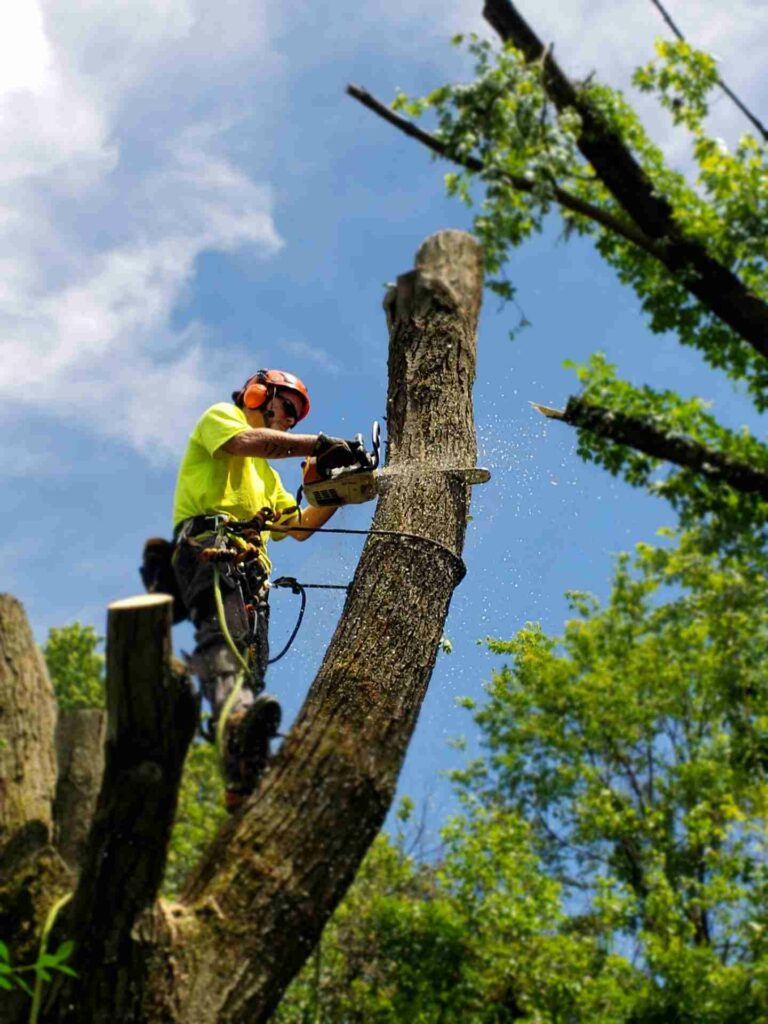
Tree maintenance services should be scheduled at least once a year for most species (Florence Arborist). Yet, the exact needs might change based on tree species, age, and local climate conditions, making it necessary to modify the maintenance schedule
What Certifications Should I Look for in an Arborist?
When looking to hire a tree professional, one should look for certifications such as certification from the ISA (International Society of Arboriculture), TCIA (Tree Care Industry Association) accreditation, or state-specific licenses that demonstrate expertise in tree care and safety practices.
Can Arborists Help With Tree Planting?
Certainly, certified tree experts can aid in planting trees. They provide expertise in selecting appropriate species, ensuring proper planting techniques, and advising on site conditions, which fosters vigorous development and enhancing the landscape's ecological balance.
What Impact Do Climatic Factors Have On The Management of Trees?
The state of the weather heavily affects tree maintenance. Temperature extremes, moisture levels, and air movement impact development, health, and vulnerability to pests, demanding specific treatment approaches to guarantee trees thrive amidst different climatic situations.
How Much Does It Typically Cost of Hiring an Arborist?
The standard price for arborist services generally costs a minimum of $300 up to $1,500, influenced by elements like location, tree size, and how complicated the necessary work is for necessary tree upkeep and vitality checks.